The Ultimate Guide to Buying Cookware
Choosing cookware isn’t just about picking something shiny off the shelf. The right pots and pans can transform how you cook. Cookware choices go far beyond “non-stick versus stainless steel.” If you value performance, longevity, versatility, health, and budget, you need to understand how heat transfers through the pan, the metallurgy, geometric design, and surface finish and how all of that fits your stove, recipes, and care habits.
This guide highlights the key factors to consider so you can make informed decisions that suit your kitchen, cooking style, and budget.
1. Clarify Your Cooking Goals and Setup
Before buying, think about how you cook and what you cook:
- Typical meals: Sautéing, searing, simmering sauces, braising, or baking each require different cookware.
- Family size: The number of people you cook for affects pan size and whether you need sets or individual pieces.
- Stove type: Gas, electric coil, induction, or glass-top surfaces conduct heat differently. Induction requires magnetic cookware.
- Maintenance: Some materials need regular seasoning (cast iron, carbon steel), while others are low-maintenance (stainless steel, non-stick).
- Storage and budget: Sets may save money but can include unused pieces; individual pans offer flexibility.
2. Core Cookware Materials
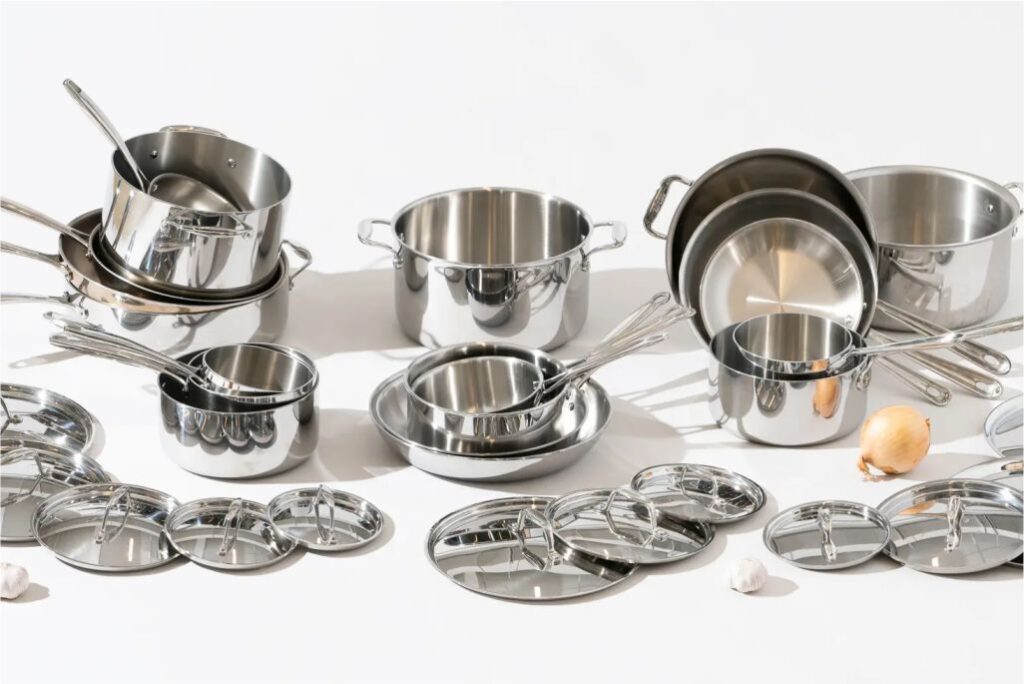
Stainless Steel
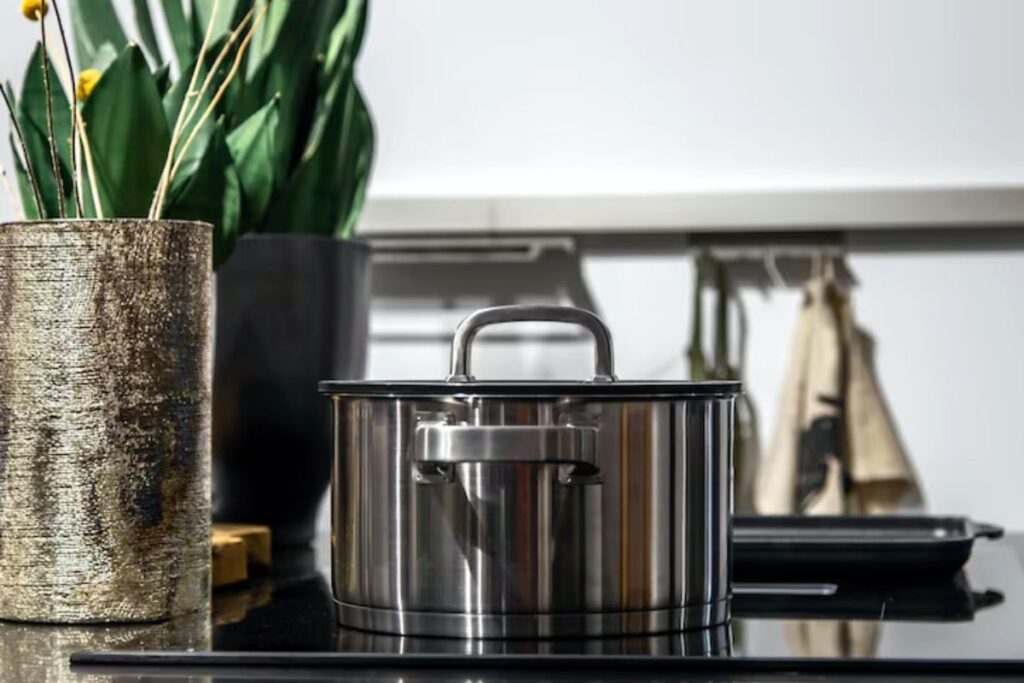
- Pros: Durable, non-reactive, versatile, resists rust and corrosion, and often dishwasher-safe. Multi-ply versions with aluminum or copper cores heat evenly.
- Cons: Single-layer pans can heat unevenly; cheap models may warp.
- Best for: Searing, deglazing, sauces, and all-purpose cooking.
Aluminum (Uncoated)
- Pros: Excellent heat conductor, lightweight, affordable.
- Cons: Reacts with acidic foods; can dent if thin.
- Best for: Fast heating, sauteing; often used as a core material in clad designs.
Anodized Aluminum
- Pros: Non-reactive, scratch-resistant, more durable than bare aluminum.
- Cons: Not as long-lasting as stainless or cast iron if abused.
- Best for: Everyday cooking; great heat control with low maintenance.
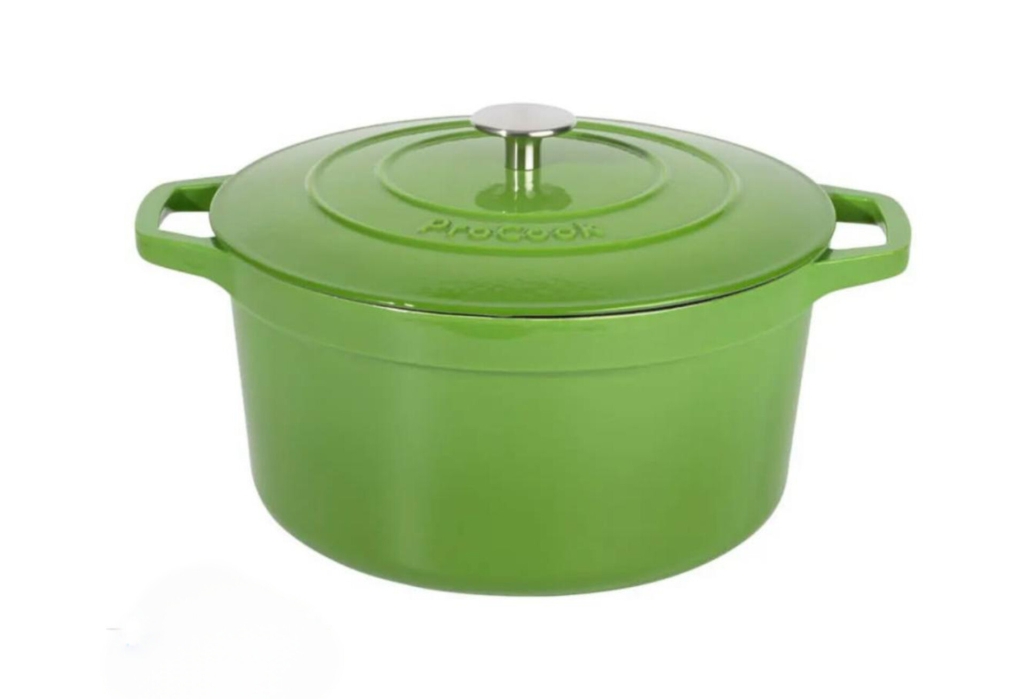
Cast Iron
- Pros: Exceptional heat retention, ideal for searing, baking, and slow cooking. Very durable and affordable.
- Cons: Heavy, requires seasoning, prone to rust if neglected.
- Best for: Deep browning, braises, rustic dishes, oven use.
Carbon Steel
- Pros: Lighter than cast iron, excellent heat control, develops natural patina.
- Cons: Needs seasoning; can rust without care.
- Best for: Searing, stir-frying, and high-heat cooking.
Copper (Lined with Stainless or Tin)
- Pros: Superior heat control and responsiveness, attractive appearance.
- Cons: Expensive, requires polishing, not induction-compatible unless lined with steel.
- Best for: Sauces, delicate temperature control, professional kitchens.
Ceramic-Coated or Solid Ceramic
- Pros: Naturally non-stick, non-reactive, easy to clean, often oven-safe.
- Cons: Coating can chip or wear; less durable than metal cookware.
- Best for: Gentle, everyday cooking, simmering, casseroles.
Non-Stick (PTFE or Ceramic)
- Pros: Easy food release, quick cleanup, requires little oil.
- Cons: Coatings degrade with high heat or metal utensils.
- Best for: Eggs, pancakes, delicate fish, quick weekday meals.
3. Budget, Value, and Warranties
Price doesn’t always equal performance. Evaluate heat distribution, durability, weight, and ease of care.
- Investment vs. Longevity: Premium stainless or cast iron can last decades.
- Warranty: Check for coverage on warping, defects, and coatings. Stainless and cast iron often have lifetime warranties; non-stick is usually limited.
4. Safety, Health, and Environmental Factors
- Choose PFOA- and PFAS-free non-stick coatings.
- Avoid reactive metals (like bare aluminum or unlined copper) for acidic foods.
- Durable materials reduce waste and long-term cost.
- Buy from reputable brands that meet food-safety standards.
5. Compatibility with Heat Sources
- Induction: Requires magnetic materials such as stainless steel, cast iron, or carbon steel.
- Gas & Electric: Most materials perform well; heavier bases improve heat distribution.
- Oven use: Confirm temperature ratings and handle materials.
6. Size, Weight, and Ergonomics
- Weight: Cast iron and multi-ply stainless are heavy but steady.
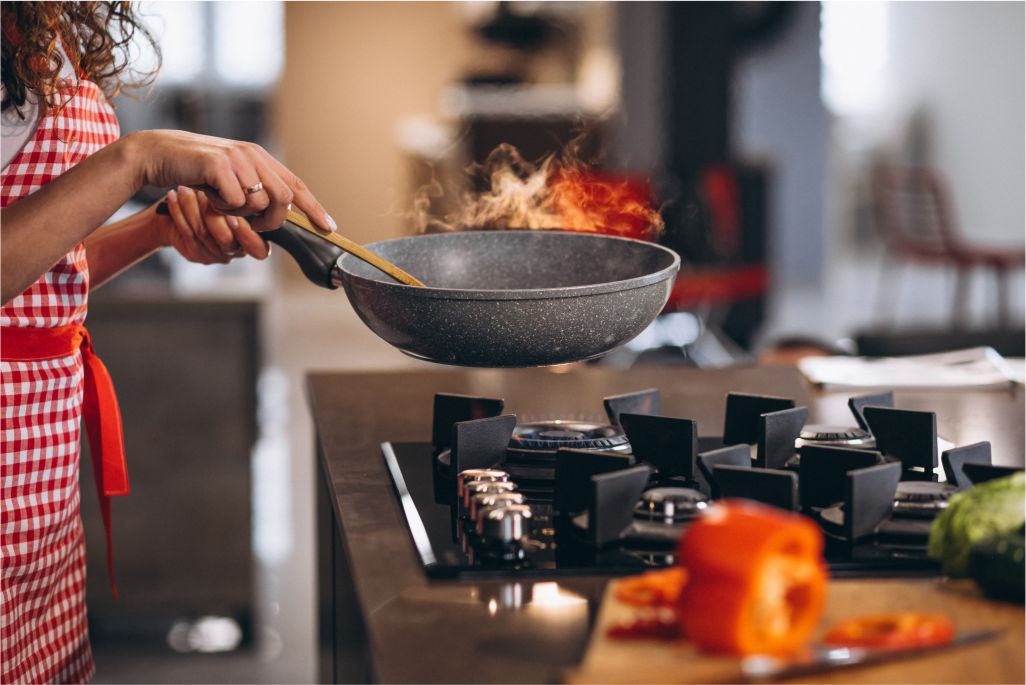
- Shape: Wide pans maximize browning; deep ones reduce splatter.
- Handles & Lids: Prefer sturdy, heat-resistant handles and vented, transparent lids.
- Balance: A well-balanced pan reduces wrist strain and improves control.
7. Essential Cookware Pieces
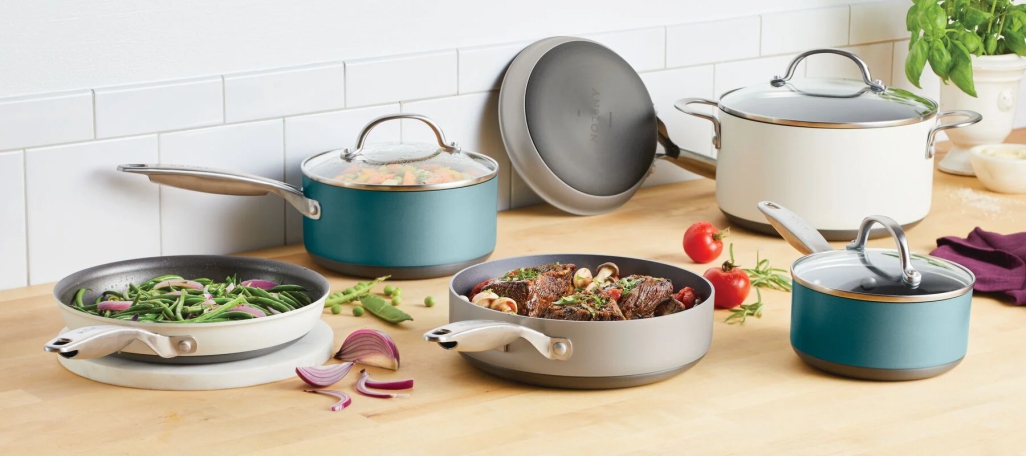
- Fry Pan: 8–10 inches for daily tasks.
- Sauté Pan: 3–5 quarts, ideally with a lid.
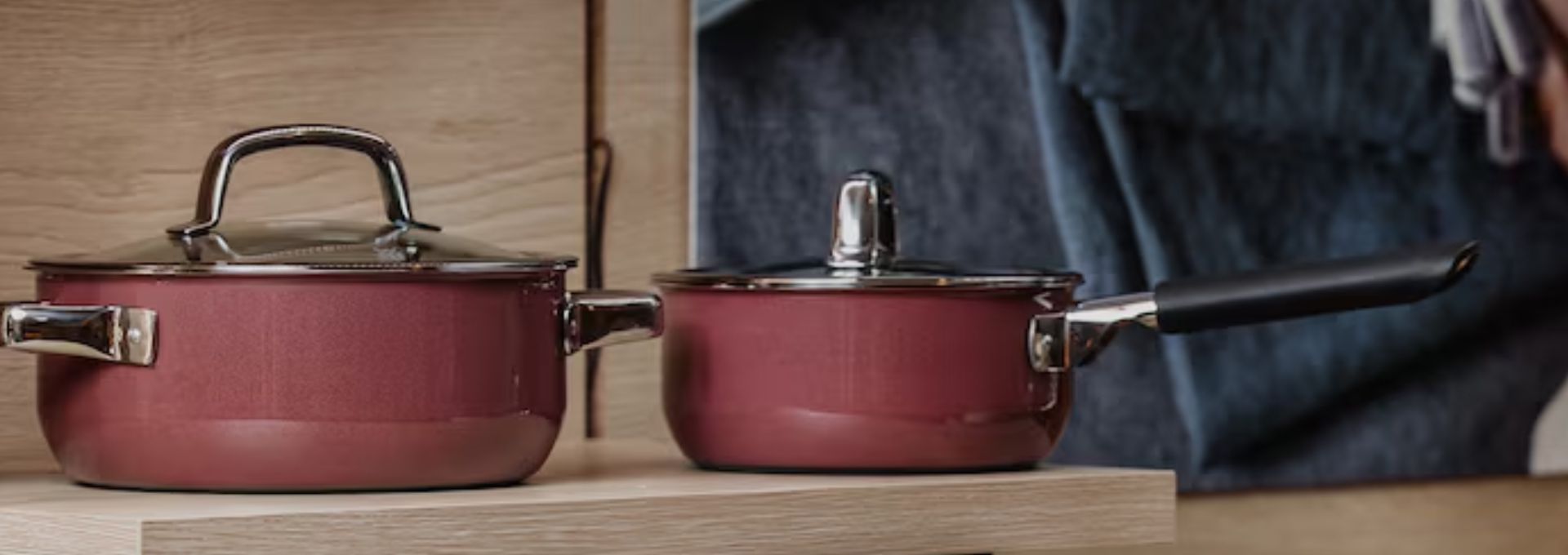
- Saucepan: 1–3 quarts for sauces and reheating.
- Stockpot/Dutch Oven: 4–8 quarts for soups and stews.
- Grill or Griddle: For searing, pancakes, or sandwiches.
You can mix individual pieces for flexibility or buy a coordinated set for savings and consistency.
8. Maintenance and Care
- Cast Iron/Carbon Steel: Season regularly, clean gently, dry thoroughly, and oil lightly.
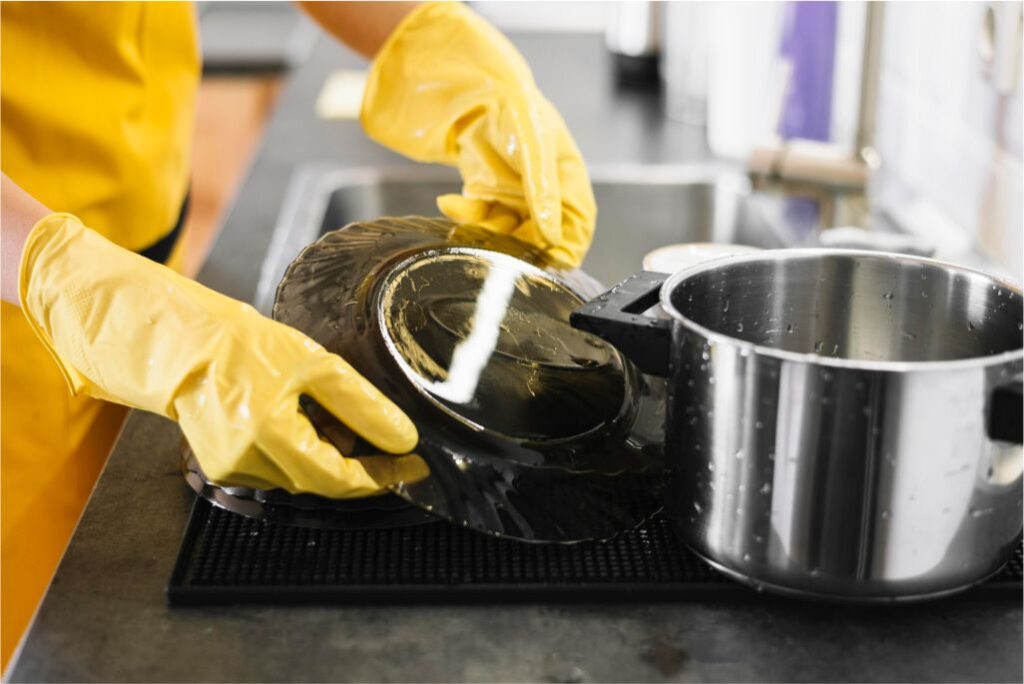
- Stainless Steel: Handwash preferred for finish preservation.
- Non-Stick: Avoid metal utensils and abrasive scrubbers.
- Use soft padding between stacked pans to prevent scratches.
9. Common Myths
- “Copper is best for everything.” It’s excellent but high-maintenance and costly.
- “Non-stick is unsafe.” Modern coatings are safe when used correctly and not overheated.
- “Expensive cookware is always better.” The best cookware balances construction, cooking needs, and care commitment.
Conclusion
The ideal cookware matches your cooking style, heat source, and willingness to maintain it. Understanding material differences and care needs helps you choose pieces that perform beautifully and last for years. Start with what you cook most often, invest in a few well-made pieces, and build your collection thoughtfully, a great kitchen starts with great tools.